

Driving & Parking in Portugal
On-street parking in Portugal can be difficult to find in the main tourist destinations, especially in summer. In cities such as Lisbon, Porto and Faro, it is often easier to use a designated car park or park just outside the busiest centre and continue on foot or by public transport.
Motorway limit
120 km/h Toll roads are commonUrban limit
50 km/h Often lower in local streetsToll system
Cash and electronic Via Verde on many routesCity parking
Mostly sign-based Always check local rules
 PORTUGAL: DRIVING & PARKING REGULATIONS
Driving in Portugal is usually straightforward, but city parking can be a challenge in the main tourist areas. The closer you get to the historic centre, the more likely it is that parking will be expensive, limited or both.
Historic centres are often the hardest places to park
In Portugal, the old centres of popular cities are usually the least practical places to leave the car. A garage or an edge-of-centre parking option is often the easier choice.
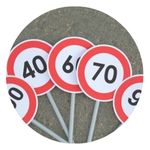
Speed limits
In Portugal, speed limits vary by road type. The general limits for cars and motorbikes are simple, but local signs always take priority.
| Road type | Speed limit |
|---|---|
| Urban areas | 50 km/h |
| Regional and national roads | 90 km/h |
| Main roads reserved for motor traffic | 100 km/h |
| Motorways | 120 km/h |
Pay attention to local signs
These are the general limits, but some roads have lower posted speeds because of local conditions, traffic or safety concerns.
Tolls in Portugal
Portugal has an extensive toll-road network. Some motorways use traditional toll booths, where payment can be made by cash or card, while others use electronic toll systems.
Via Verde is the best-known electronic toll system. Foreign vehicles can also use Portuguese toll roads, but it is worth checking the payment method before you start the journey so you do not miss an electronic-only section.
Not every motorway works the same way
Some toll routes still have booths, while others are electronic. If you are driving a foreign-registered car, it is worth checking the toll setup before entering the motorway.
Parking regulations
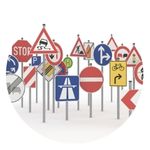
Parking rules in Portugal are mainly controlled by local signs and road markings. In practice, that means you should always read the sign before assuming a space is available for general parking.
- Parking is not allowed where signs clearly prohibit it
- Yellow or red markings on the kerb usually indicate restrictions
- Parking is not allowed within 5 metres of an intersection
- Parking is not allowed close to bus or tram stops
- On one-way streets, park in the same direction as traffic
Always check local rules
Parking regulations can vary by city and even by street, so it is worth checking the local signs carefully to avoid fines or towing.
Parking for drivers with disabilities

With a valid European Blue Badge, you may use parking spaces reserved for disabled drivers where available. In Portugal, private car parks generally do not automatically offer special concessions, so it is best to check the local rules on site.
Cities in Portugal
Car parking in Lisbon
Lisbon is one of the hardest Portuguese cities for parking because of steep streets, limited space and strong visitor demand. A garage is often the easiest option.
Car parking in Porto
Porto is compact, hilly and busy, so central parking works best if you choose a proper parking facility in advance.
Car parking in Amadora
Amadora is easier than central Lisbon, but structured parking is still often the most practical option for longer stays.
Car parking in Setúbal
Setúbal is easier than Lisbon or Porto, but central parking can still be limited near the busiest visitor areas and waterfront.
Car parking in Coimbra
Coimbra has a historic layout and a busy centre, so a planned parking choice usually works better than searching on the street.
Car parking in Funchal
Funchal combines steep roads with visitor traffic, so a garage or marked parking area is often the easiest setup.
Highways in Portugal
Motorways in Portugal
Portuguese motorways are fast and well developed, with a general speed limit of 120 km/h. Many sections are tolled.
National and regional roads
National and regional roads connect towns and cities across the country. They are usually free to use, but speeds are lower and local conditions matter more.
Check toll payment before you travel
Portugal’s motorway network includes both traditional toll booths and electronic toll routes, so it is worth checking your payment options before you go.