

Driving & Parking in Slovenia
Driving in Slovenia is usually straightforward, but city-centre parking is often more limited than visitors expect. In the larger cities, it is often easier to use a marked parking area, garage or park-and-ride style option instead of searching for a random street space.
Motorway limit
130 km/h E-vignette requiredUrban limit
50 km/h 40 km/h near some schoolsVignette types
7 days to 1 year Digital motorway vignetteAlcohol limit
0.5‰ Lower for novice and professional drivers
 SLOVENIA: DRIVING & PARKING REGULATIONS
Slovenia is an easy country to drive through, especially outside the busiest urban areas. The biggest practical thing to remember is that motorways and expressways require an electronic vignette, while city parking is often only allowed in marked spaces or designated lots.
Do not buy from unofficial reseller sites
Slovenia uses a digital motorway vignette. It is best to buy it through the official system or an official sales point before using the motorway network.
Motorway vignette in Slovenia
Passenger cars, motorcycles and other vehicles up to 3.5 tonnes need an e-vignette to drive on Slovenian motorways and expressways. There is no physical sticker on the windscreen anymore.
| Type | Price | Validity |
|---|---|---|
| 7-day vignette | €16.00 | 7 consecutive days |
| Monthly vignette | €32.00 | 1 month |
| Annual vignette | €117.50 | 1 year |
The e-vignette gives you the right to use all Slovenian motorways and expressways during the chosen validity period.
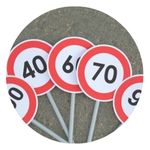
Speed limits in Slovenia
The general speed limits for cars and motorbikes are easy to remember unless local signs show otherwise.
| Road type | Speed limit |
|---|---|
| Urban areas | 50 km/h |
| Near some schools | 40 km/h |
| Outside towns and villages | 90 km/h |
| Expressways | 110 km/h |
| Motorways | 130 km/h |
Speeding is taken seriously
Slovenia places a strong focus on road safety, so it is worth sticking closely to the posted speed limits, especially near urban areas and schools.
Parking regulations
In Slovene city centres, on-street parking is often only possible in selected places. In many cities, parking is allowed only in marked parking spaces or designated parking lots.
- Parking is normally on the right-hand side of the road
- On one-way streets, parking may also be allowed on the left-hand side
- Parking is forbidden within 5 metres of a junction, pedestrian crossing or railway crossing
- Parking is not allowed within 15 metres of a bus stop
- Always use marked spaces where required
City centres are usually easier with a garage
In Ljubljana and other busier cities, a proper car park or garage is often easier than relying on on-street parking.
Parking in Ljubljana
Ljubljana is the clearest example of how parking works in Slovenia. Parking fees can be paid at a parking meter, a ticket machine, an Urbanomat machine or through the Urbana SMS Parking service.
If you are visiting the centre for several hours, a garage or official city parking facility is usually easier than depending on the street.
Parking for drivers with disabilities

With a valid EU parking card for disabled drivers, you may use designated disabled parking spaces. In Slovenia, you may also park for up to two hours on roads where parking is otherwise prohibited, as long as you are not causing an obstruction.
Where payment is required, the normal parking fee still applies and the local time limit must still be respected. Do not drive or park in pedestrian zones.
Cities in Slovenia
Car parking in Ljubljana
Ljubljana is the most structured parking city in Slovenia. A garage or official city parking area is usually easier than searching on the street.
Car parking in Maribor
Maribor is easier than Ljubljana, but central parking still works best if you choose a marked parking option in advance.